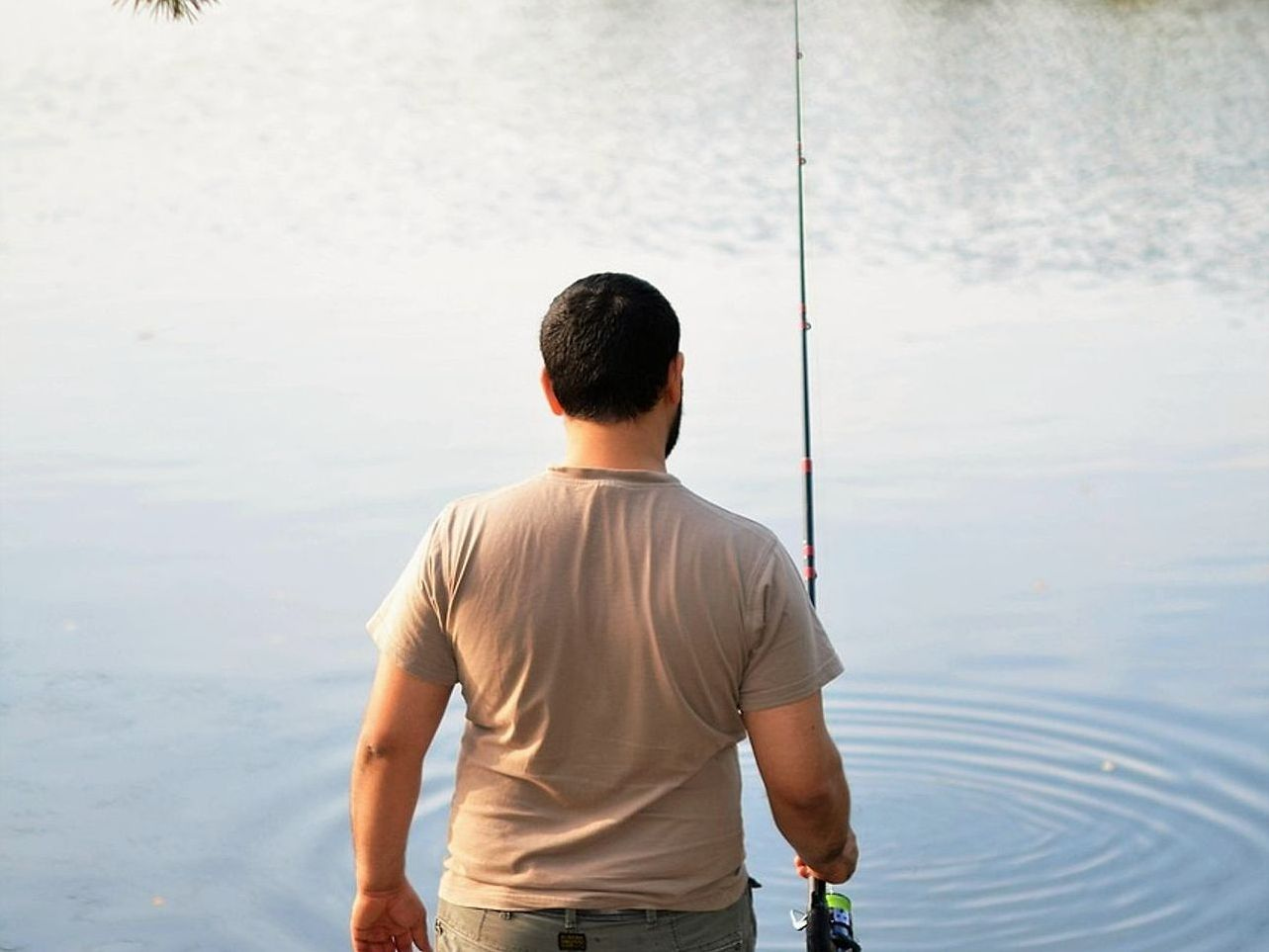
The best fishing happens in the hour before sunrise, when the water is calm and the fish are feeding. Anyone who has spent time on the water in that half-light will tell you the same thing: it is the only time you truly need to be there.
Fishing Rods for Every Water and Every Cast
The first thing you notice is how much you can hear without seeing. The gentle lap of water against the hull, the subtle shift as a breeze moves across the surface, the small splash of a fish breaking the water a few feet away. Anglers who rush through their mornings find themselves stopping every few minutes just to listen.
None of this is luck. Sound travels farther across still water, and there is nothing to mask it. Knowing the science does not make it any less magical when you hook your first fish of the day.
The second advantage is how well your eyes adjust. Give yourself twenty minutes without a headlamp, and most anglers can work their tackle and read the water by the difference between sky and surface. The trick is to let your peripheral vision handle the low light—your target shows up best when you look slightly past it.
There is a limit, and it is worth respecting it. Under heavy cloud cover the water becomes invisible, and the sensible thing is to switch on your light. Nobody wins by casting blind into deeper water.
Reels That Spin True All Season
An earlier start than you think reasonable. One more layer than seems necessary, because the coldest hour arrives just before dawn. And a stretch of water you know well, since this is not the time to discover a snag or a drop-off.
Also: tell someone where you are fishing. This habit alone is what separates the serious anglers from the casual ones. It costs nothing and it means if something goes wrong, someone knows to look.
Beyond that, the morning asks for very little. A reliable fishing rod and reel you trust, a tackle box with the lures and fishing hooks you might need, a thermos of coffee, and enough time that you are not checking your watch. The point is to arrive early and wait for the fish to feed.
You do not go out to watch the sunrise. You go out to cast while it happens.
Lures Designed to Catch What Swims
It does not happen all at once, and it does not happen where you expect. Long before the sky truly brightens, you will feel a strike on your fishing line—a ridge in the water, then a splash, then the sudden weight that tells you something has taken your lure. Distance and depth become real.
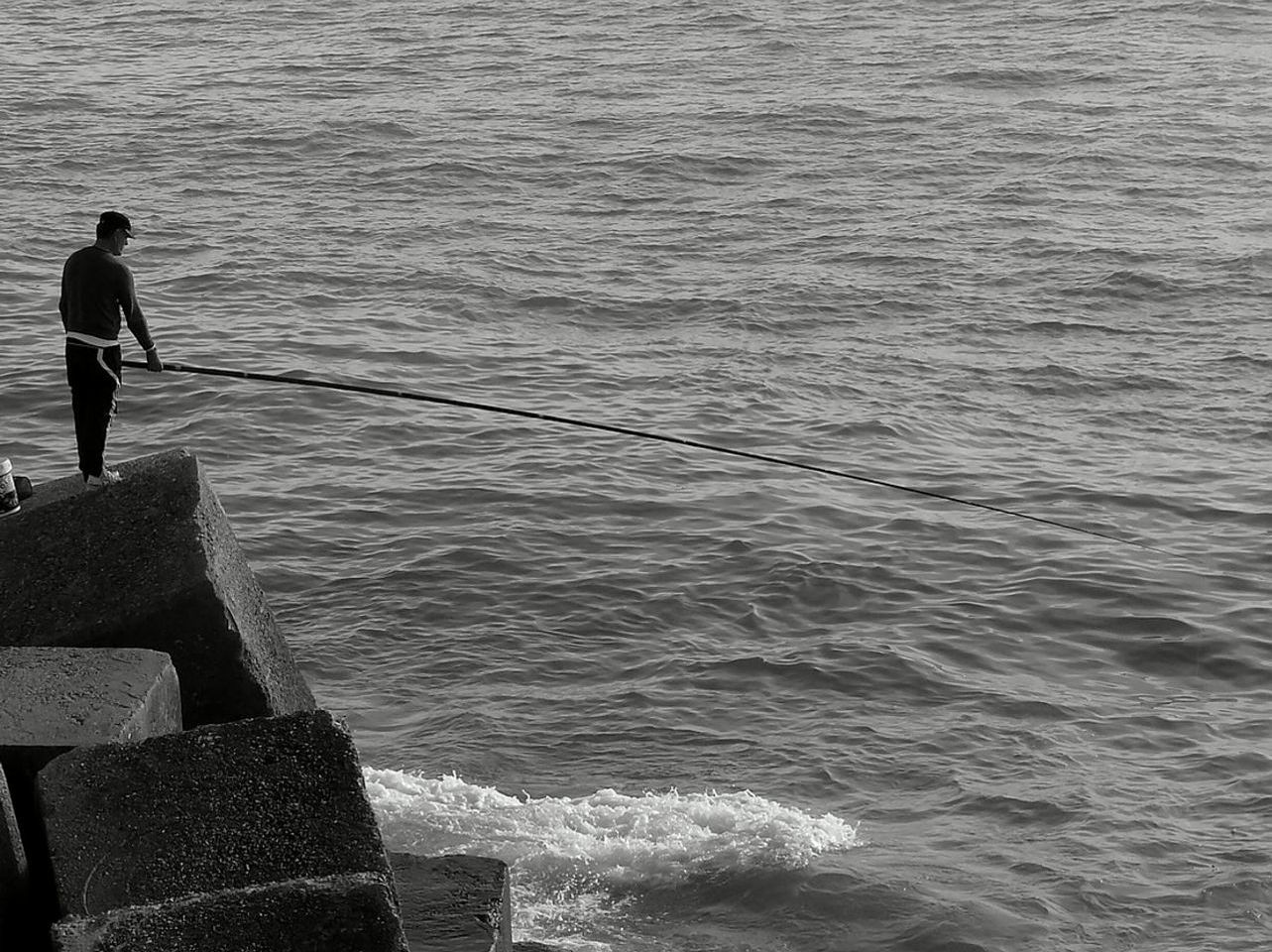
There is a short window, maybe four or five minutes, when the low sun hits the water just right and every ripple and current line stands out clear. Then the angle changes, the shadows shift, and the water returns to looking ordinary.
The temptation now is to reach for your camera, and there is nothing wrong with that, though almost every angler reports the same result. The photos are fine, and they are not the thing. What a photograph cannot capture is the two cold hours of working your fishing gear that led to that one perfect moment.
Organize Your Tackle Box Like a Pro
The mornings that do not produce a catch are just as valuable. Flat light, wind that makes holding your rod steady miserable, hours of casting for nothing you could describe to anyone afterwards—these are what make the successful mornings stand out. Without them the whole activity becomes just luck.
Fish often enough and you stop seeing every morning as the same. You learn to feel from the air and the water whether the conditions will be good, and you are wrong often enough to keep coming back. The true reason has little to do with what you catch: for a few hours nothing is asked of you, nothing can reach you, and the day has not yet made its demands.
Sarah M. fishes the early waters more often than is reasonable, and has been testing tackle and writing reviews for this site since the start.